
"G5 G4"
300 article(s) found

Ethiopian boutique coffee introduces boutique coffee beans characteristics of Ethiopian boutique coffee
Ethiopia is the hometown of Arabica coffee, and it is in the forests of Kaffa that you can see wild Arabica coffee. In Ethiopian, coffee is called Bun or Buna, and coffee beans (coffeebean) may be translated from Kaffa Bun. Arabica coffee was discovered early in the Harald area, probably from Kafa.

An introduction to the origin of coffee-- characteristics of Ethiopian coffee taste
Ethiopia is the hometown of Arabica coffee, and it is in the forests of Kaffa that you can see wild Arabica coffee. In Ethiopian, coffee is called Bun or Buna, and coffee beans (coffeebean) may be translated from Kaffa Bun. Arabica coffee was discovered early in the Harald area, probably from Kafa.

Ethiopian Coffee Flavor description introduction of High-quality Coffee varieties in producing areas
Ethiopia is the birthplace of the famous Arabica coffee beans, and people have always maintained the tradition of harvesting wild coffee beans. The coffee garden at an altitude of more than 1500 meters has formed a unique coffee style after thousands of years of evolution and adaptation. Ethiopian coffee grown in the natural wild environment is called wilderness coffee, which retains the most primitive and natural taste of coffee beans.

Boutique Coffee introduces Ethiopian Coffee Yega Sheffield Coffee Sidamo Coffee Harald Coffee
Ethiopia is the hometown of Arabica coffee, and it is in the forests of Kaffa that you can see wild Arabica coffee. In Ethiopian, coffee is called Bun or Buna, and coffee beans (coffeebean) may be translated from Kaffa Bun. Arabica coffee was discovered early in the Harald area, probably from Kafa.

How much do you know about the coffee producing areas in Ethiopia?
Following caf é (Wechat official account vdailycom) found that Beautiful Cafe opened a small shop of its own. What else is there besides Yega Xuefei, the coffee producing area of Ethiopia? Ethiopia, an ancient country on the African continent, is the hometown of Arabica coffee. It is in the forests of the Kaffa region that you can see wild Arabica coffee. Coffee is in Ethiopia.

Summary of coffee bean grade classification in various countries formulation and grade classification of coffee producing countries
In the Qianjie coffee factory, each batch of new beans received, there will be information about these beans, coffee producing country, altitude, manor, treatment, and the grading of coffee to be mentioned today, such as Kenya PB, Yega G1, so what does these grading letters mean? in fact, coffee grading standards vary from country to country and from region to region.

Introduction to the method of regional treatment for the determination of coffee bean flavor in Ethiopia Yega Xuefei G2 washing cup
Ethiopia Yega Xuefei G2 washing cup coffee bean flavor description production area treatment method introduces that Ethiopia has coffee in different climatic zones, so it has more than 140 farm varieties, and fresh coffee is produced all the year round. The quality of Ethiopian coffee varies according to different elevations and regional ecological environment. Harald Coffee in the Southeast Heights is a typical mu

Coffee processed by sun and water washing, and processed by different processing methods.
Ethiopia is the hometown of Arabica coffee, and it is in the forests of Kaffa that you can see wild Arabica coffee. In Ethiopian, coffee is called Bun or Buna, and coffee beans (coffeebean) may be translated from Kaffa Bun. Arabica coffee was discovered early in the Harald area, most likely
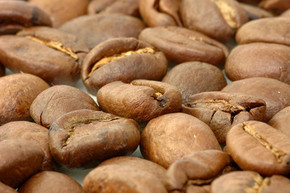
Introduction to the hometown of Arabica Coffee and Ethiopia Coffee
Following caf é (Wechat official account vdailycom) found that Beautiful Caf é opened a small shop of its own Ethiopia is the hometown of Arabica coffee, it is in the forests of the Kaffa region that you can see wild Arabica coffee. In Ethiopian, coffee is called Bun or Buna, and coffee beans (coffeebean) may be turned from Kaffa Bun

Sidamo coffee beans wash Sidamo boutique coffee beans Ethiopian plateau and other places
Ethiopia is the hometown of Arabica coffee, and it is in the forests of Kaffa that you can see wild Arabica coffee. In Ethiopian, coffee is called Bun or Buna, and coffee beans (coffeebean) may be translated from Kaffa Bun. Arabica coffee was discovered early in the Harar area and is likely to come.

Introduction to the flavor description characteristics of Ethiopian coffee varieties with balanced flavor
Ethiopia is the hometown of Arabica coffee, and it is in the forests of Kaffa that you can see wild Arabica coffee. In Ethiopian, coffee is called Bun or Buna, and coffee beans (coffeebean) may be translated from Kaffa Bun. Arabica coffee was discovered early in the Harar area and is likely to come.

Sidamo Coffee Bean Introduction, Sidamo Coffee Growing Flavor
Pay attention to the coffee comment (Weixin Official Accounts vdailycom ) and discover a beautiful cafe to open its own shop Name: Ethiopia Democratic Federal Republic (Ethiopia) Location: Located in the plateau of northeastern Africa. Neighboring countries: North Eritrea, South Kenya, East Somalia Djibouti, West Sudan Land area

What is Ethiopian coffee? What is the treatment of Ethiopian coffee?
Ethiopia is a professional coffee knowledge exchange more information about coffee beans Please follow the coffee workshop (Wechat official account cafe_style) Arabica Coffee is the hometown of Arabica Coffee, it is in the forests of the Kaffa region, you can see wild Arabica coffee. In Ethiopian, coffee is called Bun or Buna, and coffee beans (coffeebean) may come from

Introduction to the production areas of varieties and grades of Russian Giema Coffee beans exposed to the sun
Growing in the southern western highlands of Ethiopia (border between Shewa and Sidmo provinces), east of Gima and north of Sidamo, it is preferred by most Europeans and Americans at an altitude of 3600-6200 feet. Its annual output is about 110000bags/60kg, and most of the beans are round (15/16scr). The color is green with blue in color.

Taste Unique Ethiopian Yega Shefi Cochir Estate Coffee Flavor Description Taste Variety Introduction
In Ethiopia, people take pride in coffee and see it as a gift to the world. To this day, many Ethiopian families still maintain the ritual of daily coffee celebrations, with the hostess of each family inviting family and neighbors for coffee more than once a day. In their view, this is a way to show friendship and respect. Ethiopia is a magical land, filled with

Introduction to the characteristic varieties of Ethiopia's Xida Motede Manor with unique flavor
The unique fragrance of Yirgacheffe comes from Yirga, a small town in the northwest of Sidamo province. Yirgacheffe coffee raw bean is one of the most distinctive coffee in the world. It is rare and expensive. It is produced in the plateau of Ethiopia's Sidamo province, which is 2000 meters above sea level. It is an outstanding washed coffee in Africa.

Why are the coffee beans of Yega Xuefei and Sidamo uneven in size, which means that there are many defective beans?
[preface] some time ago, some fans told us that Ethiopian beans are large and small, very uneven, and the defect rate is high. I think maybe we should figure out why the shape of Ethiopian beans is uneven and what is called defective beans. Why are Ethiopian coffee beans always big and small? The coffee beans in Ethiopia seem to be of different sizes

Freshly baked coffee beans grade learning! What does the legendary G1 G2 mean?
Professional coffee knowledge exchange more coffee bean information Please follow the coffee workshop (Wechat official account cafe_style) in order to distinguish good coffee beans from poor quality coffee beans, we have to grade coffee. Coffee is usually graded according to the defect rate and the size of beans.

Fresh Ethiopian coffee variety-producing flavor boutique coffee beans Description
Washed coffee accounts for 35 per cent of exports. Good quality washed coffee is processed from freshly picked fully ripe fruit, carefully picked and closely monitored by professionals. After picking clean coffee beans on the day of picking to pulp, then fermentation, washing, drying, peeling. The humidity of the processed coffee beans is kept at about 12%. Sun-cured coffee accounts for 65 per cent of exports. mainly of

Ethiopian Coffee Export Ethiopia Coffee grading system
For more information on coffee beans, please follow Coffee Workshop (official Wechat account cafe_style) [Export of Ethiopian Coffee] according to Ethiopian decree, there are three coffee export systems: (1) the largest privately owned processing plant system for export through ECX bidding, (2) cooperative system, and (3) single farm system. In these three systems, cooperatives